



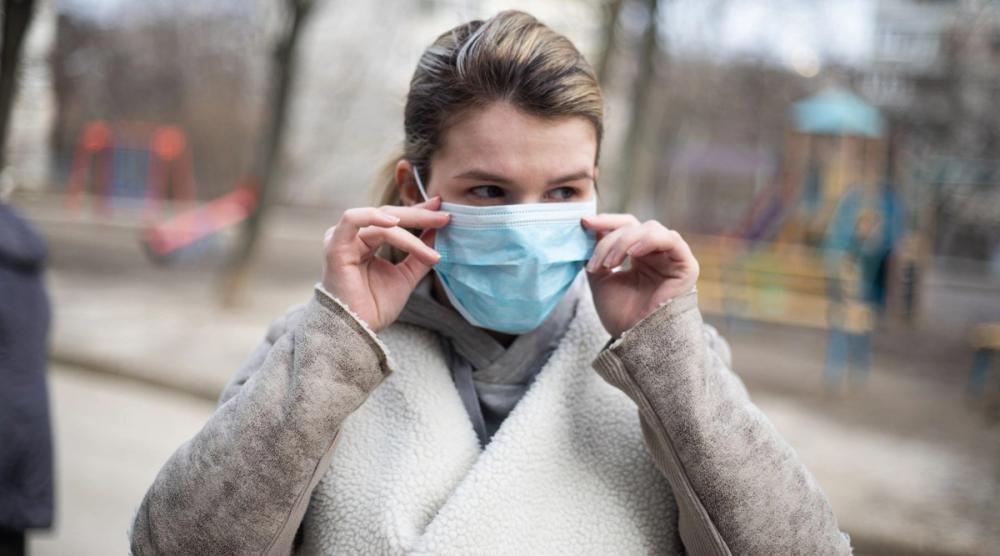
Should I wear a face mask and where can I get one?
The current advice from the World Health Organisation is a well-fitting mask that covers the nose and mouth should be worn when there is community or cluster transmission of the COVID-19. More specifically, it recommends mask use when it's not possible to keep 1 metre away from others both indoors and outdoors, and in indoor settings when there is poor ventilation.
In line with current community outbreaks, each state and territory in Australia has its own mandates for when a mask is required.
Why you should wear a mask
Masks are a barrier which prevent droplets from when you breathe or sneeze or cough from reaching others and there are many studies which demonstrate the wearing of masks reduces the spray of droplets from you when worn over the nose and mouth.
Masks are one part of several public health strategies to reduce the risk of transmission of the SARS-CoV-2 virus. Other public health strategies include hand washing, physical distancing (avoiding hand shaking and other close contact), ensuring enclosed spaces are well ventilated, sneezing and coughing into your elbow.
Mask regulations are set by the State or Federal government in Australia and are usually in response to an increase in SARS-CoV-2 circulation and thus an increased risk of virus transmission. You can find out what are the current mask mandates for each state in this guide.
The World Health Organization recommends mask use:
- When there is a community or cluster transmission of coronavirus
- In indoor settings with poor ventilation
- In indoor settings with adequate ventilation but where physical distancing can not be observed
- Outdoors when physical distancing of 1 metre is not possible
- for health care workers in clinical settings (thus at higher risk of coming into contact with an infected person)
Both WOF and UNICEF recommend that children over the age of 12 wear face masks but children under 5 should not. All Australian states advise that children over the age of 12 must wear masks and follow guidelines for adults, but Victoria has lowered this age to 8.
Top stores selling face masks in Australia



Types of face masks: What's the difference?
There's various types of masks on the market and the best face mask for your needs could vary depending on a variety of factors, like your age, whether you're a medical worker or already sick.
P2 masks and N95 respirators
They block out both large and small droplets from reaching your mouth and nose. N95 masks also filter out 95% of particles (including particles as small as 0.3 microns). N95 masks are tight fitting and are ideal for healthcare professionals as they can be fitted properly. These masks shouldn't be used for extended periods.
- Who should use an N95 or P2 mask (and who shouldn't): The Australian Department of Health recommends P2/N95 masks, rather than a surgical mask, for those who are in regular close contact with patients who are suspected to have, or have already tested positive for COVID-19.
- Is it reusable? No
- Is it disposable? Yes
- Does it filter air? Yes
Shop for P2 masks | Shop for N95 masks
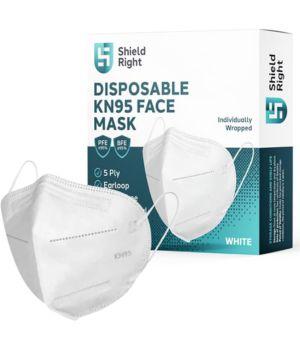
KN95 masks
These masks filter 95% of bacteria and are the Chinese standard for the N95 mask. They can block out both small and large droplets, filter air particles and help stop the spread of the virus.
- Who should use an N95 or P2 mask (and who shouldn't): While the Australian government doesn't note the use of KN95 masks, they offer a similar performance standard to the P2 mask which is recommended for those in close contact with those who tested positive for coronavirus.
- Is it reusable? No
- Is it disposable? Yes
- Does it filter air? Yes
Shop for KN95 masks
DS2 and DL2 masks
These are Japanese standard masks for protection against dust. They can filter 95% of airborne particles. They offer the same level of protection as P2 masks.
- Who should use an N95 or P2 mask (and who shouldn't):Similar to KN95 masks, DS2 and DL2 masks are similar to the P2 mask which is recommended to be worn for those caring for patients who have tested positive to coronavirus.
- Is it reusable? No
- Is it disposable? Yes
- Does it filter air? Yes
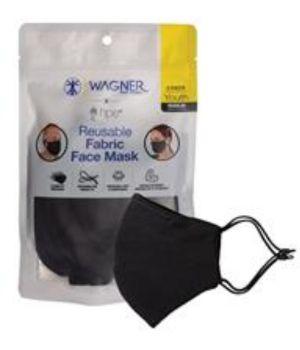
Cloth masks
Cloth masks prevent large droplets released by the wearer from reaching the environment. They do not filter bacteria or viruses. Cloth masks minimise the risk of transmission by people who don't have symptoms through talking, coughing or sneezing.
- Who should use a cloth mask (and who shouldn't): Consider a cloth mask if you're not showing any symptoms and are trying to protect yourself and others from catching the virus. It's not recommended by the WHO as a replacement of a medical mask.
- Is it reusable? Yes
- Is it disposable? No
- Does it filter air? No
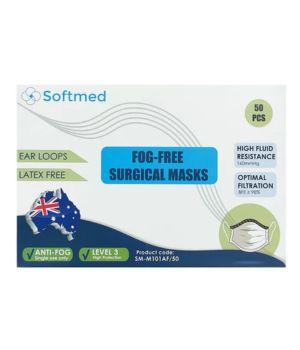
Surgical masks/disposable masks
Large droplets released by the individual wearing the mask do not reach the environment. Large droplets and splashes, which contain bacteria or viruses, are also prevented from reaching the wearer. Surgical masks are able to filter 95% of bacteria.
- Who should use a surgical mask (and who shouldn't): The WHO recommends medical masks to be worn by health care workers, those who are sick and those who are caring for others who are sick. It's also recommended if you live in an area where coronavirus is widespread and you're at-risk or older than 60.
- Is it reusable? No
- Is it disposable? Yes
- Does it filter air? No
What's the difference between a surgical mask and an N95 mask?
Surgical masks and N95/P2 masks are some of the most popular options for people to buy as PPE.
We've compared the two for fit, the blocking of particles and protection.
Where are the current coronavirus cases within Australia and the rest of the world?
Depending on your location, different face mask types are more widely used. For example, in the United States and Canada, N95 are common; in Australia and New Zealand, you'll see P2 masks more often; in China, KN95 is the standard. Mask manufacturer 3M, which specialises in filtering facepiece respirator (FFR) masks, offers the following explanation of the main differences between each mask type.
Source: 3M
How to make your own face mask
If P2 or N95 masks are hard to find or out of stock online, consider sewing your own. Guides like this one from The New York Times outline the steps that can have you wearing a cloth mask in an hour or two. If you have a small swatch of fabric about the size of a napkin, shoelaces, scissors, and a needle and thread, you can make a mask without additional supplies.
Your face mask questions answered

Alex Keshen
Alex Keshen was Finder's senior travel and utilities publisher. Working in the online publishing space for more than 10 years, she has appeared in Travel Weekly and the Huffington Post. After graduating from Ryerson University in Toronto, Canada with a Bachelor of Journalism and settling into a career in publishing, Alex has become a master of maximising her annual leave and finding the best bargains around.
Latest news about masks in Australia

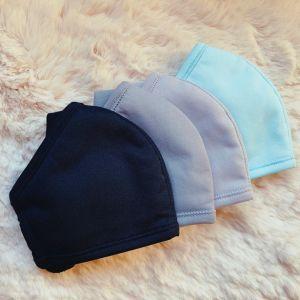
The 9 best cloth face masks we’ve tried in Australia 2026
We’ve spent months testing reusable cloth masks to find the best options in Australia for different-sized faces.
Read Article
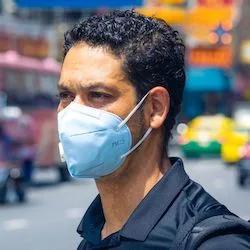
Where to buy P2 face masks online in Australia
Looking to buy a P2 compliant face mask? Here’s where to shop for them in Australia as well as KN95/N95 masks.
Read ArticleYay! You have seen it all