Hair Styling

Hair Styling


Beauty is deeply personal. What works for an influencer might not work for you. To build a routine that delivers results without wasting money, consider these essential factors:
This is your baseline. Is your skin oily, dry, sensitive, or combination? Buying a heavy, oil-based moisturiser for acne-prone skin will only cause breakouts, no matter how expensive the jar is. Identify your skin type first, then filter products that are specifically formulated for it.
Ignore the marketing buzzwords and look at the ingredients list. Learn which "actives" solve your specific problems. For example, hyaluronic acid is for hydration, retinol targets anti-ageing, and salicylic acid fights breakouts. Higher concentrations aren't always better; they can sometimes damage your skin barrier.
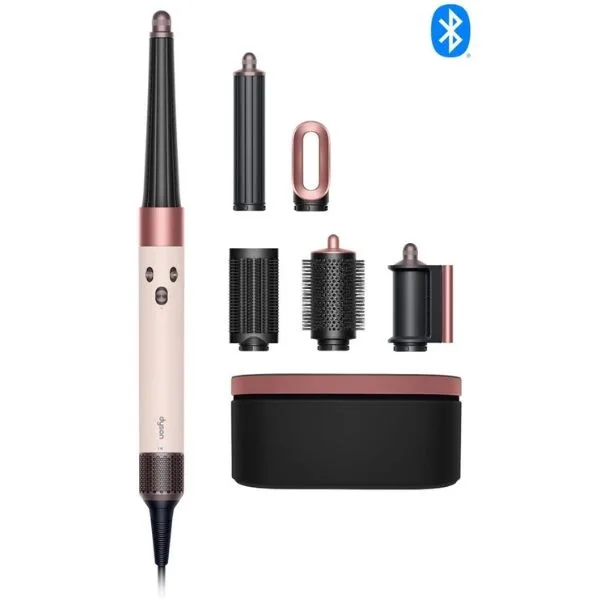
When buying electrical beauty tools like hair dryers, straighteners, or IPL machines, view them as an investment. Look for ceramic or tourmaline plates that distribute heat evenly to prevent hair damage. For hair removal tools, check the "flash count" to see how many years the device will last before burning out.
In Australia, sun protection is the most important beauty step. Whether it is a foundation, a moisturiser, or a lip balm, check if it contains SPF. However, remember that makeup with SPF is rarely enough on its own—you usually need a dedicated sunscreen underneath for full protection.
Buying makeup online is tricky. Don't rely on the model photos provided by the brand. Look for "swatches" on social media from people with a similar skin tone and undertone to you. If you are unsure, many retailers offer "find my shade" tools or sell trial-size mini versions.
If animal welfare is important to you, look for the "Leaping Bunny" logo or "Cruelty-Free" certification. Be aware that "Vegan" means the product contains no animal-derived ingredients, but it doesn't automatically mean the brand doesn't test on animals.
Beauty is hype-driven. Before buying a viral product, check independent reviews (not just sponsored posts). Look for reviews that mention long-term results rather than just "first impressions," as skincare often takes 4-6 weeks to show real effects.
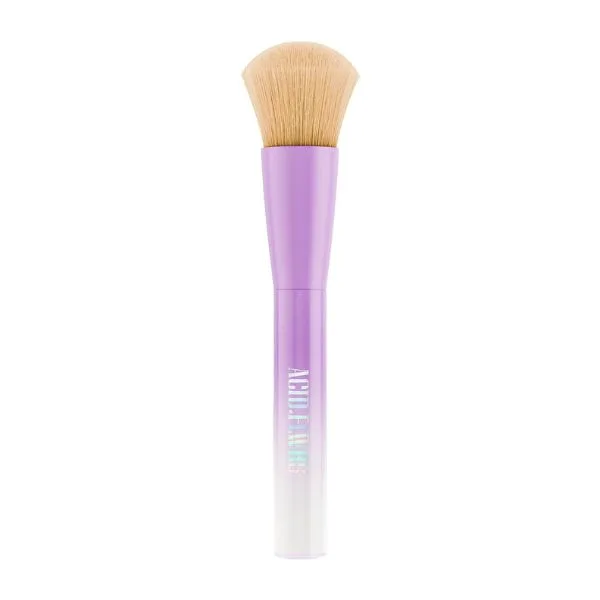
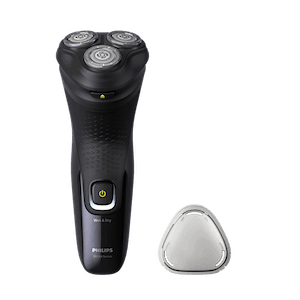
Consider the upkeep. Does the electric shaver require expensive replacement heads every few months? Does the epilator need to be plugged in, or is it cordless? For makeup brushes, consider how easy they are to clean to prevent bacteria build-up.
Heat damages hair. Whether it's a hair dryer or a curling wand, ensure the device has adjustable temperature settings. Fine hair needs much lower heat than thick, coarse hair, and using a "one setting fits all" tool can fry your locks.
Beauty waste is a massive environmental issue. Unlike tech, you generally cannot sell or donate used cosmetics due to hygiene risks.
The golden rule: Never share or donate used products that have touched the skin or eyes (like mascara, lipstick, or jar creams) due to the risk of bacterial infection.
If the product is an electrical tool (like a hair dryer or shaver) that is broken, do not throw it in the bin. It is e-waste. Check for local e-waste drop-off points or council collection days.
For empty bottles and tubes, curbside recycling often rejects small beauty packaging. In Australia, look for TerraCycle bins located in stores like Priceline, Mecca, and David Jones. They accept hard-to-recycle items like mascara wands, toothpaste tubes, and pump bottles.