




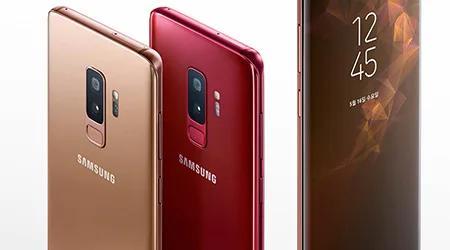
Compare Samsung phone models
1440 x 3200
Display
6.2 inches
1440 x 3200
Rear camera
Battery size
1080 x 2340
Display
6.5 inches
1080 x 2340
Rear camera
Battery size
1440 x 3120
Display
6.8 inches
1440 x 3120
Rear camera
Battery size
1080 x 2340
Display
6.6 inches
1080 x 2340
Rear camera
Battery size
1080 x 2400
Display
6.7 inches
1080 x 2400
Rear camera
Battery size
1440 x 2960
Display
5.8 inches
1440 x 2960
Rear camera
Battery size
1440 x 3040
Display
6.7 inches
1440 x 3040
Rear camera
Battery size
3088 x 1440
Display
6.8 inches
3088 x 1440
Rear camera
Battery size
2640 x 1080
Display
6.7 inches
2640 x 1080
Secondary display
3.4 inches
720 x 748
Rear camera
Battery size
7680x4320
Display
6.8 inches
7680x4320
Rear camera
Battery size
Display
6.6 inches
Rear camera
Battery size
2340 x 1080
Display
inches
2340 x 1080
Rear camera
Battery size
1440 x 2560
Display
5.5 inches
1440 x 2560
Rear camera
Battery size
Display
inches
Rear camera
Battery size
720 x 1560
Display
6.5 inches
720 x 1560
Rear camera
Battery size
Display
6.4 inches
Rear camera
Battery size
1080 x 2280
Display
6.3 inches
1080 x 2280
Rear camera
Battery size
1440 x 3040
Display
6.1 inches
1440 x 3040
Rear camera
Battery size
2176 x 1812
Display
7.6 inches
2176 x 1812
Rear camera
Battery size
1080 x 2400
Display
6.4 inches
1080 x 2400
Rear camera
Battery size
Handpicked deals, direct to your inbox
Subscribe to the Finder Shopping newsletter for the latest shopping and travel deals
Error placeholder Click here to sign in
What to consider when choosing a Samsung phone
Internal storage
The vast majority of Samsung's phones come with 128GB of storage on the base model, including many entry-level Galaxy A devices. Flagship phones, like the S21, can be equipped with up to 512GB of internal storage.
While in the past, Samsung users have had the luxury of seamlessly expanding their storage through a MicroSD card slot, that's not the case anymore. You won't find a slot to boost your storage on any of the three Galaxy S21 models, and it's unlikely to make a comeback on newer flagship models as they're released. Those investing in one of Samsung's A-series phones are in luck as those devices seem to be keeping the slot (for now).
Screen size
Samsung has a long-standing reputation for making huge phones, with its Note series first propelling "phablets" into mainstream acceptance about 10 years ago. The focus on big screens hasn't gone away. Instead, it has taken over. The Galaxy S21 is the smallest phone in the Korean giant's current line-up, and it has a 6.2-inch screen (almost a whole inch larger than the smallest iPhone). On the other end of the spectrum is the Galaxy Note20 Ultra, which boasts a 6.9-inch display.
Price
You can find a Samsung phone at almost any price point, thanks to the company's much more extensive product line than competitors like Apple and Google. You can expect to pay at least $1,000 for any new high-end Samsung phone, with the Galaxy S21 sitting on shelves with a starting price of $1,249. The most expensive device in the line-up is double the price of the S21, with the Z Fold2 5G reaching a staggering retail price of $2,499. The Galaxy A12 is Samsung's cheapest phone at the minute, which costs $299 at its retail price. In reality, you can often find Galaxy A series phones on decent discounts, chopping $50 or more off that retail price tag.
Ports
For a while, Samsung valiantly kept the beloved 3.5mm headphone jack on its flagship phones even after most major players ditched it. Unfortunately, Samsung has also now dropped the port from most of its line-up. You can still find the jack alongside a USB-C charging port on Galaxy A series devices, but you'll only find a USB-C port on every new Galaxy Note, Z or S phone.
Security options
Samsung has an entire software division dedicated to smartphone security, making it a very wise choice if you're concerned about the security of your personal data. Which isn't to say that you don't also get fingerprint sensors for simple locking. It's just that on many models, especially in the premium space, you also get access to Samsung Knox.
Knox is a pre-installed enterprise-grade security application that partitions off any data you secure with it into its own encrypted enclave. This also means that you can set up a Samsung phone with Knox installed for both work and personal usage with your critical work documents safe from prying eyes and your personal data easily accessible and shareable.
Camera quality
The camera is one of the most important parts of any modern smartphone, as people want to snap, record and share more content more often. Samsung's high-end phones have always been good shooters, and its latest flagships are among its most impressive yet. Across the devices, you'll find 8K video recording, AI video stabilisation and as many as four rear-facing cameras. There's also up to 100x zoom, allowing you to capture plenty of detail from a distance.
Samsung hasn't left out Galaxy A phones, giving many of them multi-camera set-ups as well. Unfortunately, those phones often have fewer camera capabilities resulting in lower-resolution videos and less impressive photos than you might find on Samsung's best camera phones.
Network speed and support
As carriers across the country switch on 5G networks, more people can take advantage of the super-fast speeds that come with it. Luckily for those wanting to buy a Samsung phone, you've got plenty of 5G options. The Galaxy Z Fold2 was the first Galaxy phone to come with 5G as standard, followed by the Galaxy S21 this year. But you've been able to get Samsung phones with 5G support since the Galaxy S10 5G launched in 2019.
Wireless charging and quick charging
Wireless charging technology isn't new for Samsung. It's been available on its phones since the Galaxy S6 launched way back in 2015. For the moment, you'll only find wireless charging on Samsung's flagship phones, like the Galaxy S21 and Note20, but rumours suggest that the company could be bringing the technology to its Galaxy A phones in the future.
Samsung's quick charging tops out at 25W on its latest phones, which is a far cry from the 100W+ that some of its competitors advertise. While that means Samsung doesn't offer the fastest quick charging on the market, it can be safer and easier on your phone's battery, especially with the use of Programmable Power Supply (PPS) technology.
Battery life
Many expect their phone to get them through a full day of use, and thanks to big batteries, there are plenty of Samsung phones that are up to the task. It's not uncommon to see batteries as large as 5000mAh in the company's phones, even on ones that cost as low as $499. Some of the more petite phones in Samsung's line-up have smaller batteries which might not last quite as long.
Water resistance
Most flagship phones on the market today come with some water resistance, but not all devices are made equal. Samsung's top of the line devices sport IP68 ratings, allowing them to remain submerged for up to 30 minutes at a maximum depth of 1.5 metres. Some of the company's Galaxy A devices also come with an IP rating, but it's usually the slightly lesser IP67 rating.
While knowing that your shiny new phone can withstand a bit of water can give you peace of mind, that doesn't mean you should constantly dunk the device underwater at every opportunity. These IP ratings are calculated in labs in specific conditions and don't necessarily reflect how the phone will react in saltwater at the beach or chlorinated pool water.
Performance
Samsung phones are no slouches. They consistently perform well in synthetic benchmarks, and their real-world performance in work, casual use and gaming is typically quite impressive. These speeds are thanks to the beefy processors on the devices, as well as plenty of RAM.
Most of Samsung's flagship phones found in Australia use Exynos chips rather than the Snapdragon processors found on some international models. The two most notable exceptions are the Galaxy Z folding phones and the 5G version of the Galaxy S20FE, which have Snapdragon chips at their core. Generally speaking, the Exynos chips perform slightly worse than their Snapdragon counterparts, but the average user won't really notice the difference in most scenarios.
Methodology


- We checked out all of Samsung's latest phones to find the best options currently on the market.
- We selected the best models based on customer and in-house reviews, as well as by looking at each device's specifications.
- The products on this list are chosen by our editorial team and are not selected based on commercial relationships.
Why you can trust our picks
Every phone on this list is available for purchase here in Australia (as of March 2021). Some new Galaxy A devices are just around the corner (and others have just come onto the market), so once they hit store shelves, you'll want to consider them, too.
We looked at all of the crucial specs to see how each device weighed up against the others and chose the best options based on the battery, camera, design, durability, build quality, screen size and display quality, performance and value for money.
After thoroughly researching each device and reading through hundreds of customer reviews (as of March 2021), we selected what we think are the top nine picks for anyone wanting to grab a new Samsung phone.
Looking for a Samsung phone on a plan?
Samsung's premium smartphones are among the most popular in Australia, and that means that there's plenty of competition in the carrier space to offer the best deals on Samsung Galaxy S and Galaxy Note phones. There's less pressure on the Galaxy A series, although it does get offered by a few carriers. The Galaxy J series phones' low cost means that if they are offered by telcos, it's pretty much always on an outright basis to pair with a prepaid phone SIM.
Here are the latest models by default, but you can pick your own handset by clicking "remove all" under "Phones" and then selecting the specific Galaxy S and Galaxy Note handsets you want from the pop-up screen.
Latest Samsung phone news
5 Samsung S22 alternatives – The cheaper phones (almost) as good
Everyone may be talking about the Galaxy S22, but here's 5 smartphones that are almost as good and much more affordable.


Camera Shootout: Galaxy S10+ vs iPhone XS Max vs Huawei P30 Pro vs Huawei Mate 20 Pro vs Pixel 3
We hit the streets of Paris and Sydney to find the low light camera king, with surprising results.


Camera Shootout: Galaxy S10+ vs iPhone XS Max vs Mate 20 Pro vs Pixel 3 vs Galaxy S9+
It's time to pit the flagship phones against each other to see who can deliver the most consistently pleasing low-light results.